Tackling the Silent Crisis of Maternal Anaemia in Nigeria Using AI-Enabled Reminder & Risk Stratification Tools
20%
of maternal deaths linked to anaemia
3M+
mothers & newborns at risk
58%
of pregnant women in Nigeria are anaemic
1M
pregnant women we aim to reach
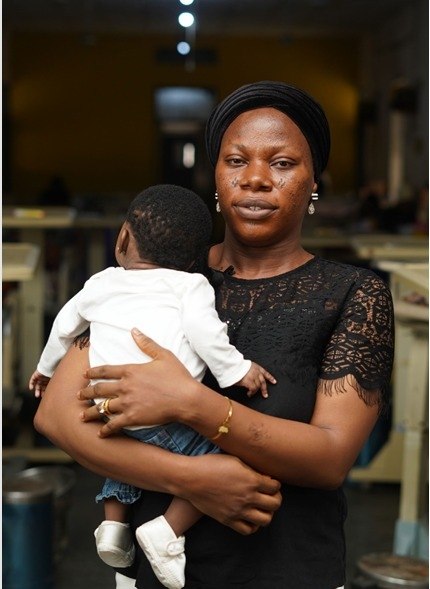
Maternal anaemia is a silent killer in Nigeria, contributing to over 20% of the country's 75,000 annual maternal deaths and placing more than 3 million mothers and newborns at risk of poor outcomes (WHO, 2023). We are tackling this problem where it matters most: at primary health clinics within rural and underserved communities that are most affected. We are deploying simple but tailored behaviour-focused reminder messages and a risk stratification tool to solve this problem.
Why This Matters
National data from 2023–2024 (NDHS) show that 58% of pregnant women in Nigeria are anaemic. The burden is particularly severe in Northern Nigeria, where only one in every three pregnant women completed four antenatal care (ANC) visits and nearly half did not take any iron/folic acid (IFA) supplements.
Our pre-pilot survey confirmed that forgetfulness, fear of drug side effects, low health literacy, and weak follow-up drive poor IFA adherence. Although national guidelines recommend haemoglobin testing at the first antenatal visit, many primary health centres lack the equipment to routinely screen for anaemia, so it is frequently detected late or only after symptoms appear.
With over 90% mobile phone penetration in Nigeria, these challenges can be addressed through digital tools, if they are co-designed with the women who need them.
Building on Evidence
In Phase I, implemented in Kwara State, we used a person-based approach to map the sociocultural and behavioural drivers affecting ANC attendance and IFA use, and co-designed a culturally grounded reminder system with pregnant women and their families. The solution includes reminders for antenatal care visits and daily supplement use, alongside clear health information on nutrition, infection prevention, and pregnancy care. Messages are delivered in women's preferred languages, complemented by community health workers' follow-up for women who may need extra attention. While early results were promising, we found that generic messaging does not address individual women's needs or proactively identify those at high risk of poor outcomes.
Next Steps: Phase II
In line with WHO's identify–reach–deliver guidance, we are now prototyping an AI-risk stratification tool to identify women at the highest risk of adverse outcomes, enabling timely intervention. In Phase II, we aim to scale responsibly through:
Model Improvement
Collecting data from approximately 2,500 women across all six geopolitical zones in Nigeria to train a robust and representative AI model.
Technology for All
Developing a low-tech application that delivers personalised messages via SMS, WhatsApp, and IVR in local languages, while flagging women at high risk of anaemia.
Capacity Building
Training frontline health workers in anaemia management using AI-enabled digital tools.
Evaluation
Conducting a 6–9 month field evaluation of effectiveness (RCT) and cost-effectiveness. If effective, we will open-source the tool to enable rapid adoption by governments and partners.
Potential Impact
This project has the potential to reach more than 1.5 million pregnant women and newborns in Nigeria over the next 3 years.
Call to Action
We invite policymakers and funders to join us in translating evidence into policy, financing sustainable scale-up, and ensuring every mother has the information and care she needs to survive and thrive.